
Where HDPE and Acrylic Are Commonly Used — and Why
- elliothoulston
- Feb 6
- 3 min read
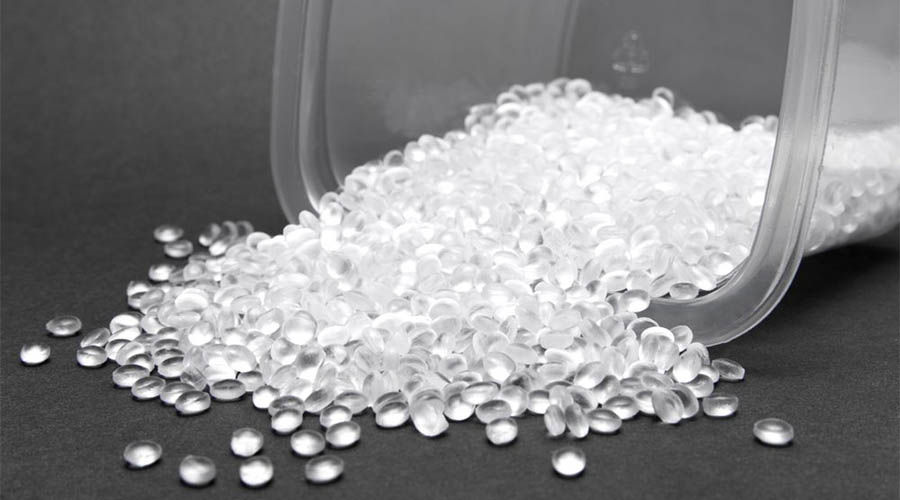
Hot tub shells are not the primary reason either HDPE or acrylic exists. Both materials are widely used across multiple industries, but typically for very different reasons.
Understanding where each material is used — and where it is avoided — helps explain how they behave in a hot tub environment.
Industries That Commonly Use HDPE
HDPE is widely used in applications where cleanability, durability, and resistance to contamination are critical.
Common uses include:
Medical and healthcare settingsHDPE is used for trays, containers, equipment housings, and carts because it does not absorb moisture, resists bacterial growth, and tolerates repeated cleaning and disinfecting.
Food processing and food serviceCutting boards, storage bins, transport containers, and preparation surfaces are commonly made from HDPE due to its resistance to absorption, staining, and microbial adhesion.
Water treatment and municipal infrastructureHDPE tanks, piping, and reservoirs are used for potable water and wastewater systems because they remain stable under chemical exposure and do not degrade easily over time.
Laboratories and industrial environmentsHDPE is used where surfaces must withstand frequent cleaning, chemical exposure, and physical wear without breaking down.
These industries tend to prioritize materials that remain predictable and hygienic over long service lives, even when exposed to moisture, chemicals, and repeated cleaning.
Industries That Commonly Use Acrylic
Acrylic is also widely used — but typically in applications where optical clarity, surface finish, and appearance are the primary requirements.
Common uses include:
Display cases and retail signageAcrylic is valued for its clarity, gloss, and ability to be shaped into complex forms.
Aquariums and viewing panelsAcrylic offers excellent transparency and impact resistance compared to glass, though surfaces require careful cleaning to avoid scratching.
Bathtubs and shower surroundsAcrylic is commonly used for its smooth appearance and mouldability, often with reinforcement behind the surface.
Architectural and decorative panelsAcrylic is frequently chosen for aesthetic reasons rather than long-term wear resistance.
In many of these applications, acrylic surfaces are either:
Cleaned gently
Used intermittently
Not exposed to constant heat, chemicals, and organic load
This distinction matters when comparing how acrylic behaves in a hot tub environment.
Surface Hygiene, Scratching, and Long-Term Cleanliness
This is one of the most practical — and least discussed — differences between acrylic and HDPE hot tubs.
Acrylic Surfaces and Buildup Over Time
Acrylic surfaces tend to scratch relatively easily. While many scratches are not visible to the eye, they can create microscopic grooves in the surface.
Over time, these grooves:
Trap body oils, lotions, detergents, and organic residue
Provide places for biofilm to adhere
Become increasingly difficult to clean thoroughly
As a result, even well-maintained acrylic tubs often require active scrubbing of the sidewalls to fully remove buildup. This is especially noticeable after a few years of use, when the surface no longer releases residue as easily during routine cleaning.
Many owners find that:
Sanitizer demand gradually increases
Water becomes harder to keep clear
More frequent shocking or draining is required
This is not necessarily due to poor maintenance, but rather to surface wear accumulating over time.
HDPE Surfaces and Resistance to Buildup
HDPE behaves differently at the surface level.
Because HDPE:
Is dense and uniform throughout
Does not rely on surface coatings
Is highly resistant to micro-scratching
Residue is less likely to adhere in the first place. Oils and organic material tend to sit on the surface rather than embedding into it, making routine cleaning more effective.
In practice, this means:
Less aggressive scrubbing is required
Sidewalls release buildup more easily
Water chemistry tends to remain stable longer
Sanitizer levels do not need to be pushed as hard to compensate for surface contamination
Over long periods of use, this difference becomes more noticeable. While no hot tub is maintenance-free, HDPE surfaces tend to age more predictably from a hygiene standpoint.
Why This Matters in Hot Tubs Specifically
Hot tubs are a demanding environment:
Warm water
Repeated human contact
Organic load from bathers
Continuous chemical exposure
Materials that perform well in dry or low-contact applications can behave very differently under these conditions.
The same properties that make HDPE suitable for medical, food, and water-treatment environments — resistance to absorption, stability under cleaning, and surface durability — directly influence how easy a hot tub is to keep clean as it ages.
Key Takeaway
Acrylic and HDPE are both proven materials, but they are optimized for different priorities.
Acrylic excels in applications where appearance and mouldability are critical. HDPE is commonly chosen where hygiene, durability, and long-term surface performance are required.
In hot tubs, where warm water and organic load are constant, surface behavior over time becomes more important than how the material performs when new.


Comments